
What are the Best Peptides for Recovery Norway? Recovery is essential for overall health, especially for athletes or anyone healing

Copper peptides for hair growth have gained attention in scientific research due to their potential role in hair thinning and scalp health. Peptides such as GHK-Cu and PTD-DBM are currently studied for their effects on follicle function and regeneration.
While these peptides remain limited to research use, early findings point to possible benefits. These effects may support scalp wellness and help address common concerns linked to hair loss. From a research perspective, copper peptides offer one approach to understanding biological factors involved in hair growth.
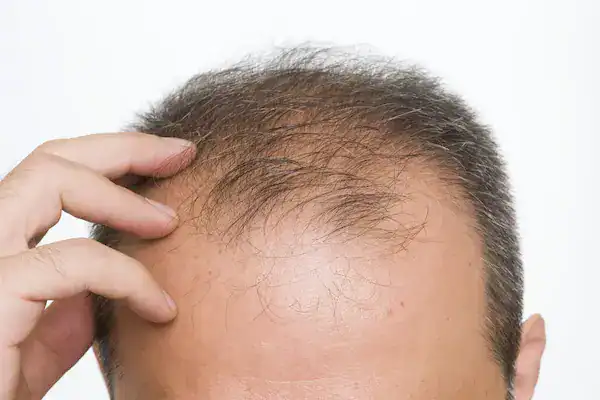
Copper peptides for hair growth, like GHK-Cu and PTD-DBM, are small protein fragments that contain copper ions. These ions are essential for various biological functions.
These peptides play a crucial role in boosting blood circulation, collagen production, and tissue regeneration. All of these are important for healthy hair follicle growth.
GHK-Cu, a widely researched peptide, has demonstrated its ability to promote vascular endothelial growth factor (VEGF). VEGF encourages the formation of new blood vessels around the dry scalp.
PTD-DBM, another peptide under study, stimulates dormant hair follicles, helping them become active again. Their combined effects may help individuals suffering from hair loss or slow hair regrowth. This highlights the potential for effective drug administration methods.
Discover PTD-DBM peptides from Direct Peptides Norway.
Copper peptides such as GHK-Cu influence biological pathways involved in collagen synthesis, cellular signaling, and tissue repair. Laboratory studies show GHK-Cu increases vascular endothelial growth factor (VEGF) activity and supports collagen production in skin cells, which helps maintain the structure surrounding hair follicles and supports blood vessel formation in scalp tissue.
Preclinical research also shows copper peptides affect pathways related to follicle cycling and regeneration. These mechanisms may support dormant follicle activity and scalp tissue integrity. Researchers continue to study copper peptides for their regenerative properties and their role in follicle biology.
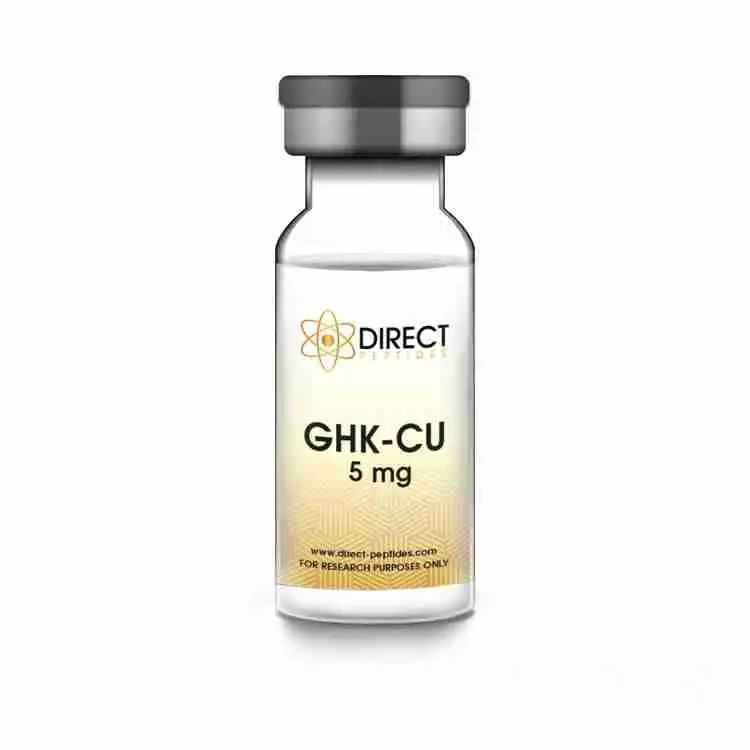 GHK-Cu interacts with regenerative pathways involved in tissue repair and cellular activity. Research shows copper peptide complexes can stimulate hair follicle cells and increase collagen synthesis through signaling processes in skin fibroblasts. [1]
These effects help support the structural environment around hair follicles by promoting collagen production and cellular repair. Through these mechanisms, GHK-Cu may support follicle activity and contribute to conditions associated with healthier hair growth.
Researchers continue to study GHK-Cu for its regenerative properties and its role in skin and follicle biology, with ongoing work focused on understanding how these cellular effects relate to hair growth pathways and follicle cycling.
Discover GHK-cu peptides from Direct Peptides Norway.
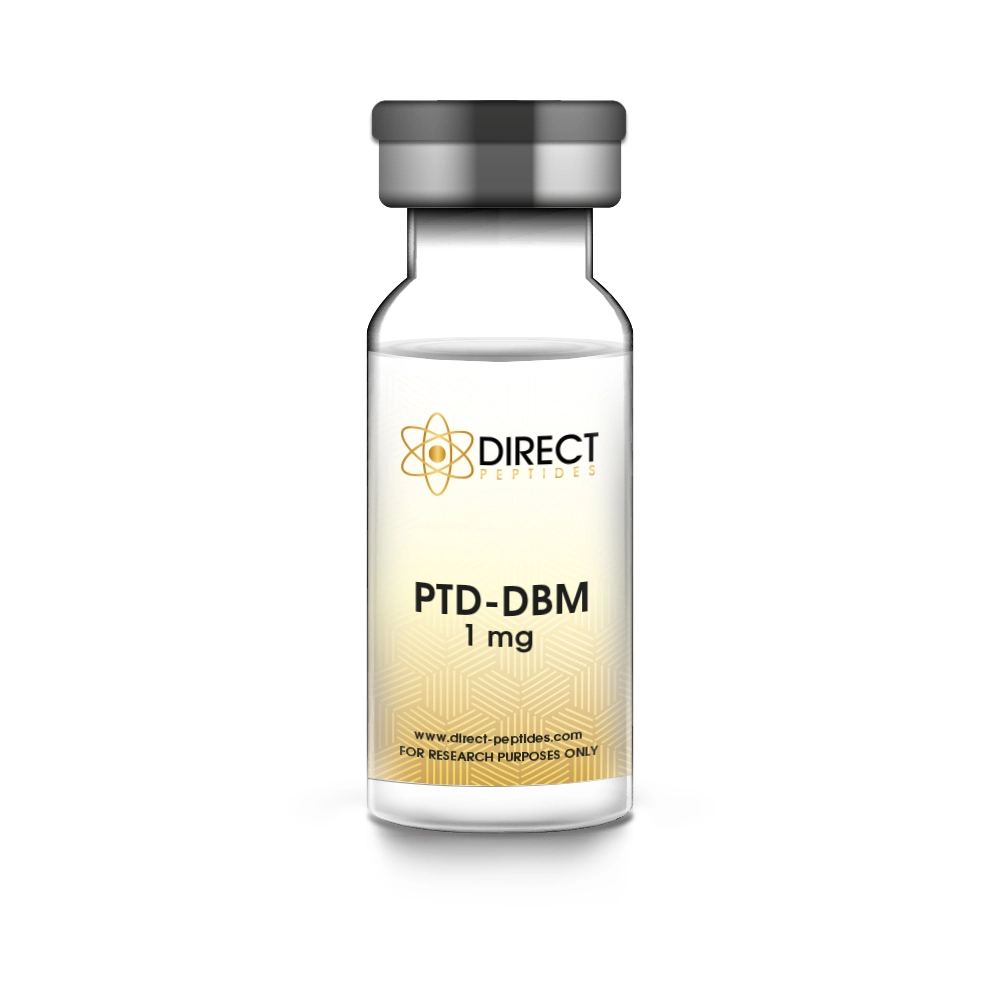 PTD-DBM is another peptide studied in hair regrowth research. Research shows PTD-DBM activates Wnt/β-catenin signaling by blocking CXXC5, which allows follicle-related pathways to function and supports new follicle formation in experimental models.
Rather than affecting blood circulation, PTD-DBM acts directly on cellular signaling involved in hair follicle development. PTD-DBM interacts with dermal papilla–related pathways, which play a central role in follicle growth and cycling.
By promoting growth signaling through these pathways, PTD-DBM may help support follicle activity and regeneration processes associated with hair thinning. [2]
Shop Peptide Supplies from Direct Peptides Norway for all your reconstitution requirements.
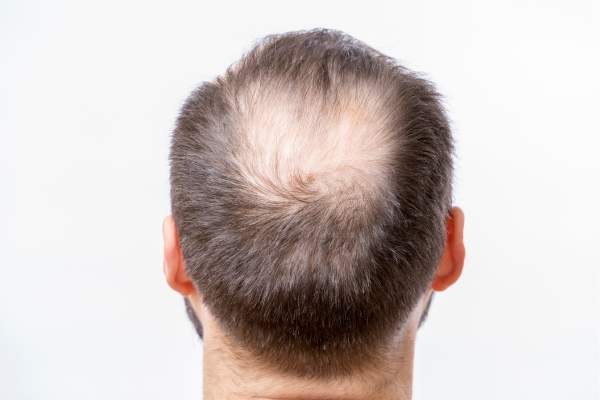 While still primarily for research purposes, copper peptides for hair growth are studied for their effects on cellular signaling, collagen synthesis, and tissue repair. Studies show that GHK-Cu and PTD-DBM act on biological pathways associated with skin and follicle biology.
The combination of copper ions and peptide structures supports collagen production and influences pathways involved in tissue maintenance in the scalp. These effects help support a favorable biological environment around hair follicles rather than proven increases in blood circulation.
These peptides, which are short chains of amino acids, are being studied for their roles in regenerative biology and follicle-related signaling rather than as confirmed solutions for hair loss or regrowth.
As research continues, developers may explore copper peptides in personal care products based on their documented effects on skin structure and repair pathways.
Researchers study GHK-Cu for its role in skin and tissue repair, while PTD-DBM remains limited to laboratory research. Scientists have not established either peptide as an approved treatment for hair growth or dietary supplementation.
Researchers explore these peptides for their effects on collagen synthesis, cellular signaling, and follicle-related pathways. GHK-Cu shows activity in tissue repair mechanisms, while PTD-DBM targets signaling involved in follicle formation. Both peptides remain under investigation, and published data mainly focus on biological mechanisms rather than confirmed hair regrowth outcomes.
Copper peptides for hair growth, including GHK-Cu and PTD-DBM, stand at the forefront of research into scalp health and follicle regeneration. Although these peptides remain in the research phase, findings from studies suggest they may help address hair loss and slow hair regrowth.
As research advances, these peptides may play a significant role in future hair care approaches. For now, researchers focus on their scientific applications.
Scientists will continue to explore their full potential in clinical studies. If you consider copper peptides, remember that their use remains limited to reference and research settings.
Shop ALL Research Grade Peptides online today from Direct Peptides Norway, our comprehensive peptide list guarantees +99% Purity.
[1] Pickart L, Margolina A. Regenerative and Protective Actions of the GHK-Cu Peptide in the Light of the New Gene Data. Int J Mol Sci. 2018 Jul 7;19(7):1987.
[2] Sadgrove NJ, Simmonds MSJ. Topical and nutricosmetic products for healthy hair and dermal antiaging using “dual-acting” (2 for 1) plant-based peptides, hormones, and cannabinoids. FASEB Bioadv. 2021 Jun 6;3(8):601-610.
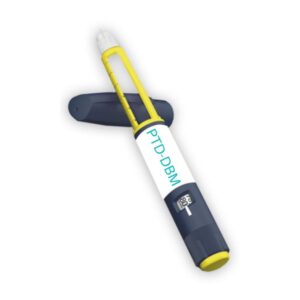
PTD-DBM Pre-Mixed Pen 1mg Peptide
Price range: £23.79 through £64.23 Select options This product has multiple variants. The options may be chosen on the product page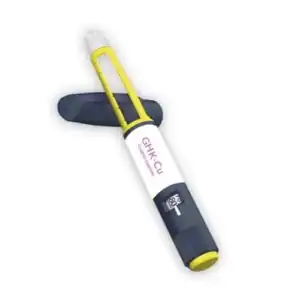
GHK-Cu Pre-Mixed Pen 5mg or 100mg
Price range: £17.58 through £189.22 Select options This product has multiple variants. The options may be chosen on the product page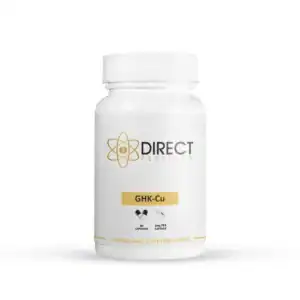
GHK-Cu Capsules
£63.33 Add to cart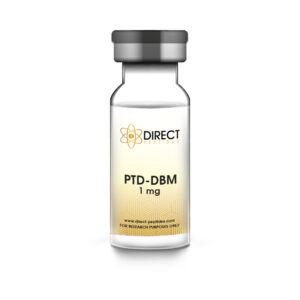
PTD-DBM Peptide Vial
Price range: £18.89 through £27.87 Select options This product has multiple variants. The options may be chosen on the product pageWhat are the Best Peptides for Recovery Norway? Recovery is essential for overall health, especially for athletes or anyone healing
How PNC-27 Norway May Serve as a Preventative Treatment? PNC-27 has gained attention in scientific research for its potential role

Melanotan 1 vs Melanotan 2: What’s the Real Difference? For researchers studying pigmentation and hormonal pathways, understanding Melanotan 1 vs
Is there a Difference Between AHK-Cu vs GHK-Cu Norway? Peptides are essential in modern research, particularly regarding their potential in